A right to light is rarely lost just because a window changed shape or a room sat dark for a while. Abandonment of the easement is hard to prove, and altering your windows almost never destroys the protection your building has built up.
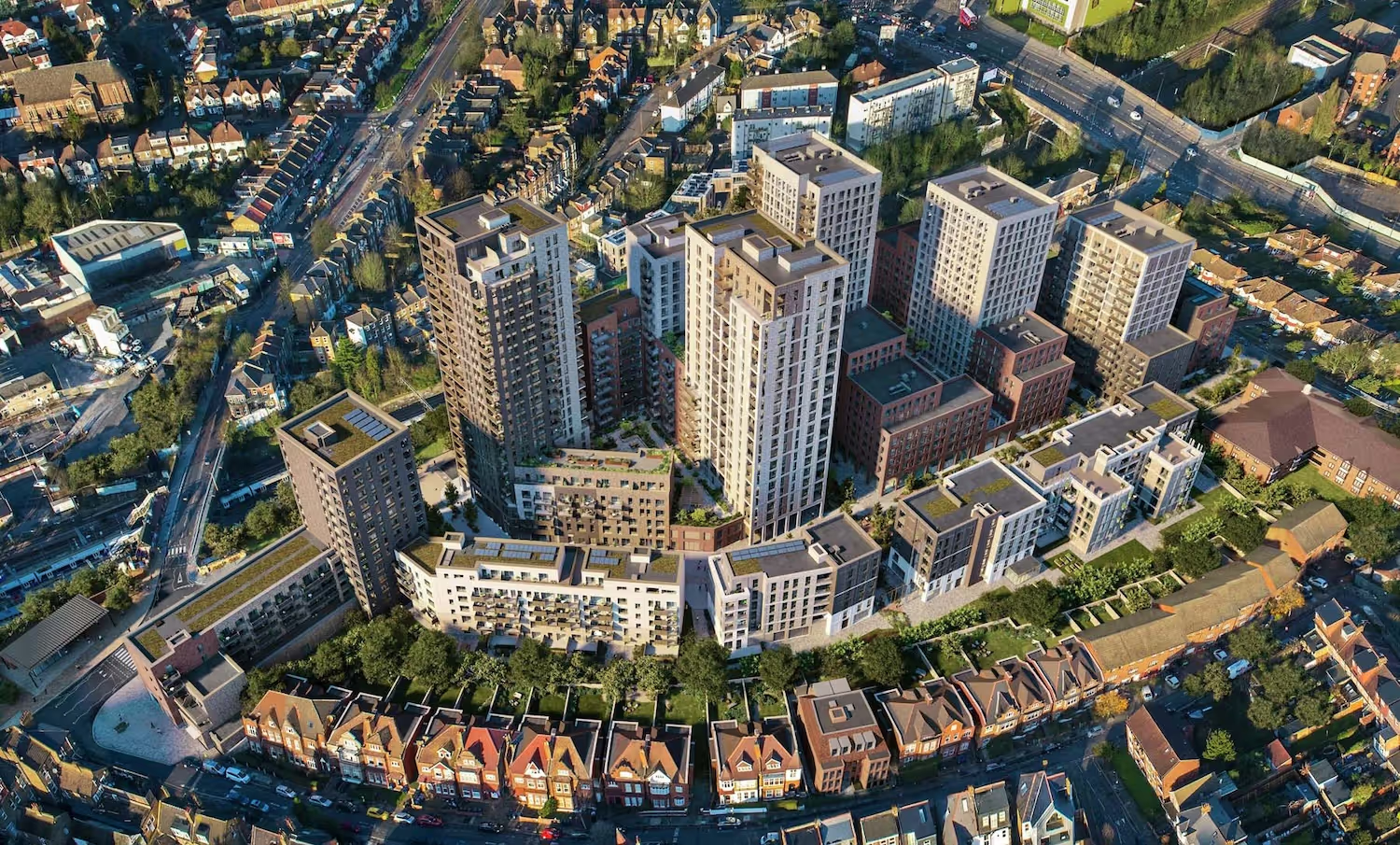
You might be reading this because you fitted a new bay, bricked up an old opening, or heard a developer's surveyor claim your light was "abandoned" years ago. That claim is thrown around far more often than it succeeds. A right to light in England and Wales is a property right attached to your building, and the law does not treat property rights as casually surrendered. What follows is what genuinely puts the right at risk, and what does not.
- Abandonment needs clear intention to give up the right, not just disuse.
- Changing your windows usually preserves the right rather than losing it.
- The real threats are Light Obstruction Notices, consent, and time running out.
What does it actually take to abandon a right to light?
Abandonment requires a fixed intention never to use the right again, and it is very difficult to establish. Courts start from the position that an owner does not lightly throw away a valuable easement.
Mere non-use proves nothing. A room can go unused for years, a curtain can stay drawn, a window can be shuttered, and the right survives. What a court looks for is conduct that only makes sense if the owner meant to give up the light for good.
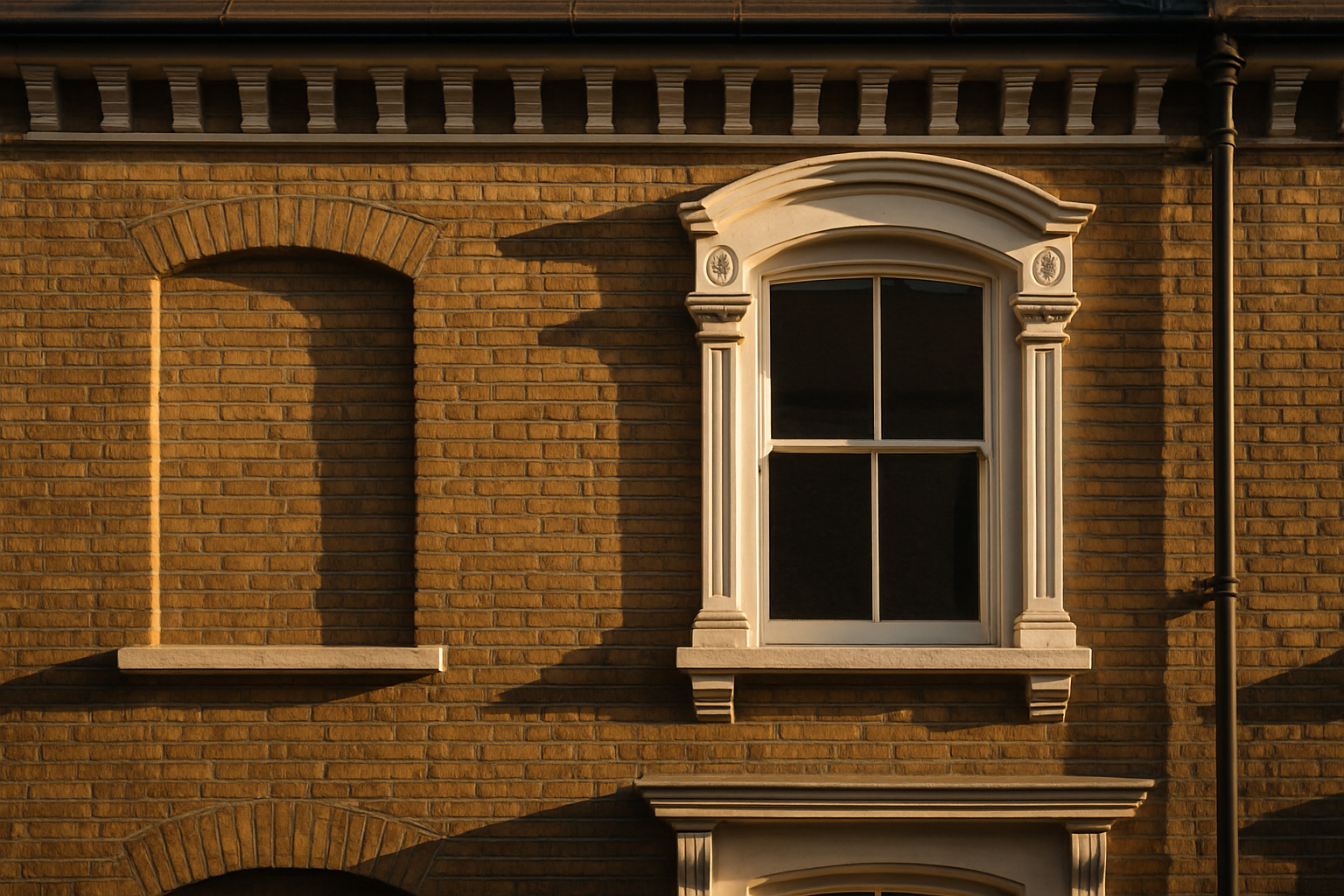
Bricking up a window and building a solid wall where it stood, with no intention of ever reinstating an opening, can point towards abandonment. Even then it is not automatic. The person arguing abandonment carries the burden, and the bar is high. If there is any reasonable explanation for the change other than surrender of the right, the argument tends to fail.
So when a developer's letter asserts that your light was abandoned decades ago, treat it as a negotiating position, not a legal fact. It usually collapses under scrutiny.
Do new or altered windows destroy the right?
Altering a window almost always preserves the right to light rather than losing it. The protection attaches to the aperture and the room behind it, and the law allows for reasonable change.
If you enlarge a window, the right you already enjoyed through the original opening continues. You do not gain a fresh 20-year clock for the newly added glass, but the established light through the old portion carries on. If you make a window smaller, you keep the right over the reduced area.
Even moving a window within the same wall can retain protection, provided the light passing through the new position substantially overlaps the light that came through the old one. The courts look at whether the beneficial light is essentially the same, not whether the frame is identical.
This matters in ordinary situations. A Victorian terrace that swaps small casements for larger sashes has not reset anything. A rear extension with new glazing does not wipe out the light the original room enjoyed. If anyone tells you that renovating your home cost you your right to light, ask them to point to the case that says so. There is a reason they cannot.
How is a right to light actually acquired in the first place?
Most homes acquire the right to light by long use under the Prescription Act 1832. Twenty years of uninterrupted enjoyment of light through a defined opening, without written consent, creates the easement.
The relevant provision is section 3 of the Prescription Act 1832, which fixes the period at 20 years. There is no need to register anything. The right builds up quietly as the building sits and receives its light.
Rights can also pass on a sale. Under section 62 of the Law of Property Act 1925, and under the rule in Wheeldon v Burrows (1879) 12 Ch D 31, existing light enjoyed by a property normally transfers to a buyer without express words. This is why a right does not evaporate simply because the house changed hands.
Because the right is built on continuous enjoyment, the questions people ask about abandonment and altered windows are really questions about whether that continuity has been broken. In most cases it has not.
The real ways a right to light gets lost
Abandonment and window changes are the myths. The genuine threats to a right to light are consent, a Light Obstruction Notice, and legislation that overrides the right for a specific scheme.
Written consent is the most common. If a previous owner agreed, in a deed or an agreement, that a neighbour could build in a way that affects the light, that consent binds the land. This is why titles matter. A single historic document can quietly defeat an otherwise strong position, a point covered in more detail in our piece on why some right to light claims fail before they even start.
A neighbour can also interrupt the acquisition of the right using a Light Obstruction Notice under the Rights of Light Act 1959. Registered as a notional obstruction, it forces you to act within a defined window or lose ground. If one lands on your doormat, do not sit on it. We explain the mechanics and the clock in our guide to being served with a Light Obstruction Notice.
Finally, a public authority can use section 203 of the Housing and Planning Act 2016 to override private light rights for a particular development, converting the right into a claim for compensation rather than an injunction. That is a deliberate statutory process, not something that happens by accident, and we set out how it works in our explainer on Section 203.
Why developers raise abandonment anyway
Developers and their advisers raise abandonment because it is cheap to assert and expensive to disprove if you do not know the law. It shifts the conversation away from what your light is worth.
The pattern is familiar. A scheme threatens the light to your rooms. Rather than address the injury, the developer's surveyor suggests the right was never properly acquired, or was given up long ago, or was lost when you replaced your windows. Each of these is designed to make you doubt your position and settle cheaply, or walk away.
A right to light is only ever worth what you can enforce. That is why evidence alone, a survey showing lost light, does not move a developer. Credible, funded litigation does. When a claim is backed to court, the abandonment argument gets tested properly, and the weak versions of it fall away. Our article on why evidence alone is not enough sets out that gap between measurement and leverage.
The honest position is this. If your right really was extinguished, by clear consent or a valid notice, we will tell you, and there is no point pretending otherwise. But a changed window or a quiet room is not the end of your right, and you should not be talked out of a good claim by a myth.
Common questions
Does bricking up a window lose the right to light?
Not automatically. Bricking up an opening can support an abandonment argument, but only if it shows a clear intention never to enjoy light there again. A temporary or reversible change, or one with another explanation, usually preserves the right. The burden sits on whoever claims the right was lost.
Can I lose my right to light if I do not use the room?
No. Non-use of a room does not abandon the easement. The right attaches to the aperture and the building, not to how often you sit in the space. A dark, unused back room retains the light it has enjoyed for decades.
Do I get a new right if I add a bigger window?
You keep the established right through the original opening straight away. The extra glazing you have added needs its own 20-year period before it acquires protection under the Prescription Act 1832. In practice, the light your room already enjoyed continues without a break.
If a development threatens your light and someone has told you the right was abandoned or lost, get the position checked properly before you accept it. Two things decide the outcome. First, whether the right exists on the facts and the title. Second, whether the injury to your rooms is real enough to enforce. Both can be assessed without cost or commitment to you, and knowing where you stand is worth more than any assumption.
This article is general information about the law in England and Wales, not legal advice. Outcomes always depend on the facts.
Joshua Platt BSc (Hons) MRICS, Director, Daylight Protect
Daylight Protect is a rights of light claims specialist operating across England and Wales. We provide a fully funded solution that covers everything end to end, the surveyor, the solicitor, counsel and court fees, backed by legal insurance that covers the developer's costs if a claim does not succeed. There is no recovery, no fee, and no costs to you either way. We tell you plainly when you have a claim, and just as plainly when you do not.
Similar insights