One year ago, on 8 July 2025, Mr Justice Fancourt handed down judgment in Cooper and Powell v Ludgate House Ltd [2025] EWHC 1724 (Ch), the Bankside Yards rights of light case. If you followed it through the national press, you could be forgiven for thinking the homeowners lost. The tower stayed up. A February headline had them facing a £3.7 million court bill. Neither impression survives contact with the judgments. Twelve months on, with the costs ruling of March 2026 decided, Bankside reads as one of the most consequential wins for homeowners in decades of rights of light law. This is the year as it actually happened.
Thirteen times the offer
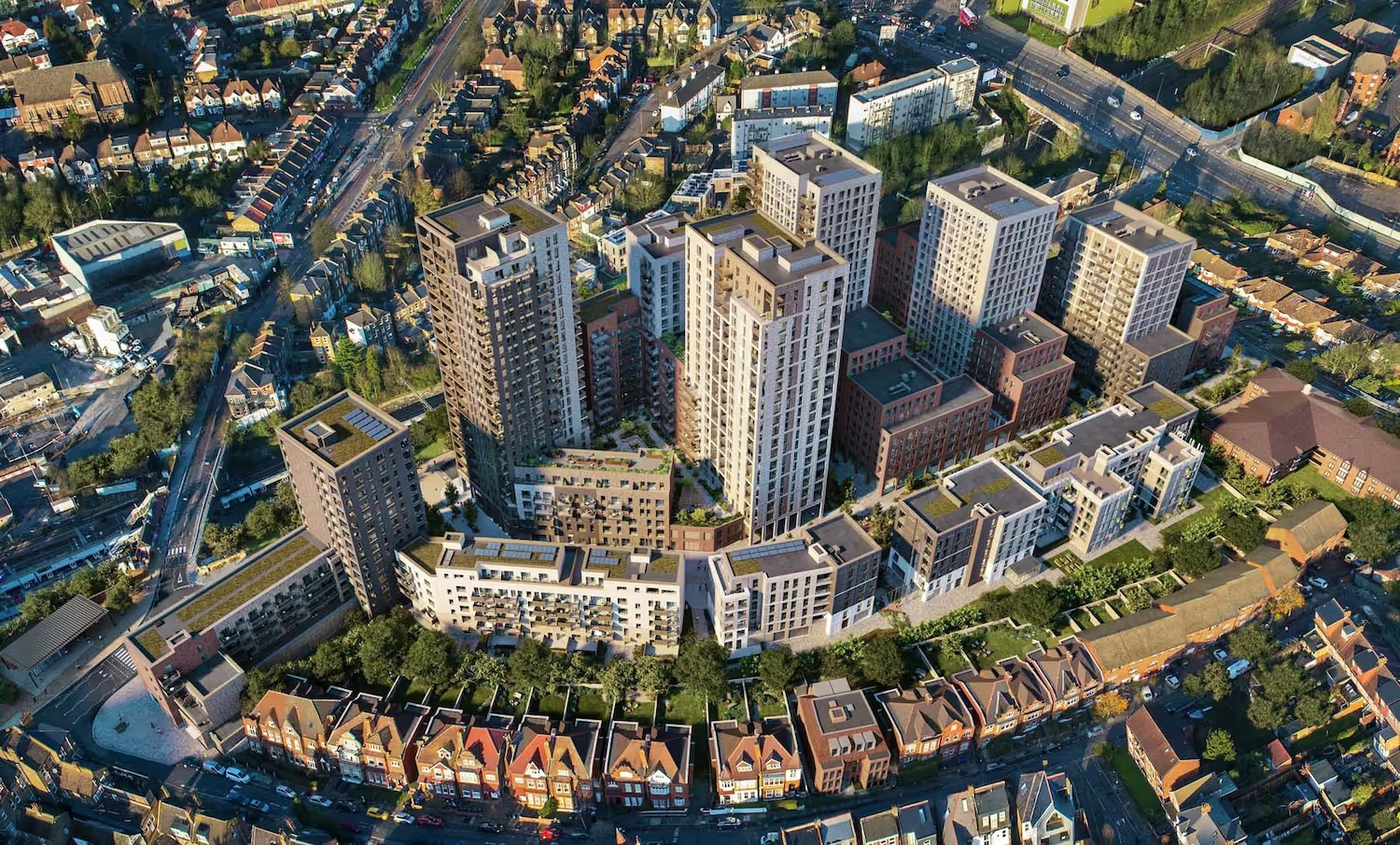
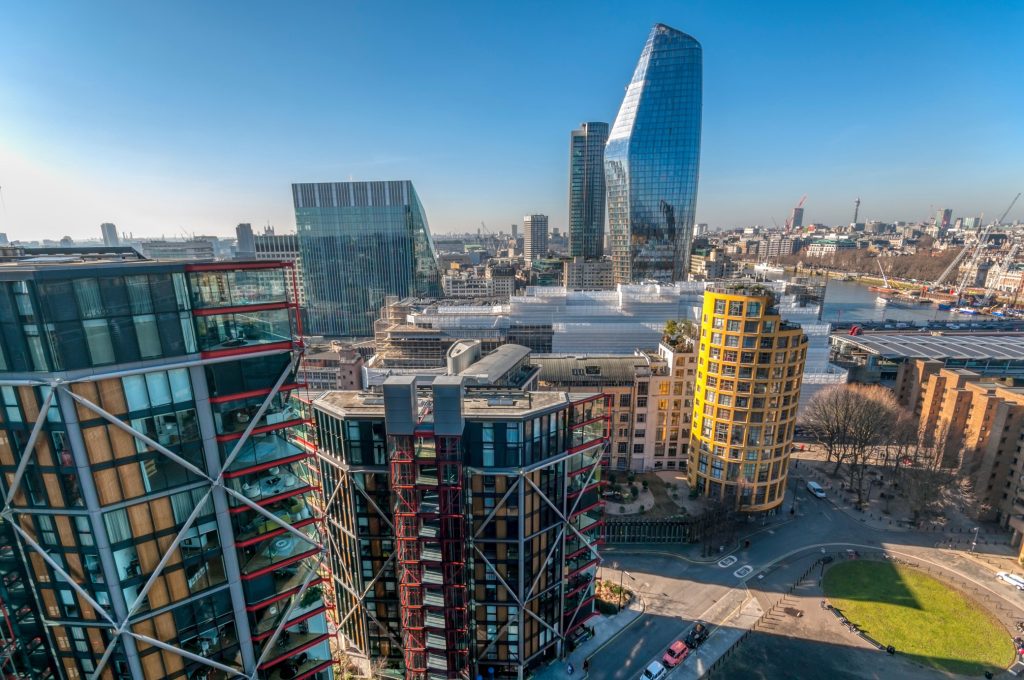
Kevin Cooper owned a flat on the seventh floor of Bankside Lofts on London's South Bank. Stephen and Jennifer Powell owned a flat on the floor below. Across the road, Arbor rose 19 storeys, the first completed building of the £2 billion Bankside Yards scheme. Before proceedings, the developer offered £23,000 to Mr Cooper and £36,000 to the Powells for the light the tower would take.
Those offers were anchored to the conventional measure: what the flats had lost in market value, which the court later put at £20,000 and £60,000 respectively. The court refused to price light that way. It asked instead what a reasonable developer would have paid, before building, to buy the right to take that light. Respecting the claimants' rights would have cost the developer £30 million to £40 million in lost value. A reasonable developer, the court held, would have set aside 12.5 per cent of that gain, a pot of £3.75 million for all affected neighbours, with a third of it attributable to these claimants. Cross checked against flats worth around £1 million each, the final awards were £350,000 to Mr Cooper and £500,000 to the Powells. Close to £1 million with interest. More than thirteen times the opening offers.
That is the repricing. Light is now valued off the developer's profit, not off the dent in your flat's value. Every homeowner holding a developer's opening letter should read it with that sentence in mind.
Timing is the whole game
The court found that Arbor caused an actionable interference with the claimants' light, and it reached that finding using the traditional Waldram method, judging the newer daylight modelling the developer advanced less reliable. What it would not do is order the tower cut back. Arbor was complete and let to tenants who were not before the court. The developer had a credible route to rebuild something equally large under section 203 of the Housing and Planning Act 2016, which already protected other parts of the site. Demolition would have wasted hundreds of millions of pounds for a harm the court could remedy in money.
Developers spent the following months reading that refusal as a green light. It is narrower than that. It is a decision about a finished, occupied building with a statutory rebuild route behind it. The discretion remains broad, and the balance looks entirely different while a scheme is still in design or under construction. Leverage peaks before completion. The practical rule for a homeowner has not changed in a year: the day the hoarding goes up is not too early, and the day the tenants move in is late.
The February story and the March judgment
In February 2026 a national newspaper reported that the claimants faced a £3.7 million court bill. The figure travelled widely. It also does not exist in either judgment. It matches the £3 million to £3.7 million the claimants had originally sought in damages, and the £3.75 million settlement pot the court used in its own calculation. The trade press questioned the framing at the time.
On 5 March 2026 the costs judgment, [2026] EWHC 484 (Ch), settled it. The developer argued it was the true winner because the injunction had been refused. Mr Justice Fancourt observed, dryly, that with the developer writing two large cheques it might have been thought obvious who had succeeded. The Powells recovered two thirds of their legal costs. They had beaten the developer's £500,000 settlement offer once interest was counted, and that offer had also demanded they surrender future statutory compensation rights under section 204 of the same Act, a condition the court declined to hold against them. Mr Cooper recovered one third of his costs. He had rejected £500,000 and countered at £7 million, and the court priced that conduct.
There is an honest caution inside the correction. Even successful claimants carry the share of their own costs the court does not order the other side to repay, and at this scale that is serious money. The answer is not to take the first offer. The answer is to have funding and protection against paying the other side's costs arranged from day one, and to negotiate like the Powells rather than hold out for a number no court will give.
What a year changed
Three things are now settled that were arguable a year ago. Compensation is benchmarked to the developer's gain. Proving infringement makes you the successful party even when no injunction follows. And conduct in settlement carries a measurable price, in both directions.
On the ground, the pattern in the claims we facilitate matches the law. Most settle without a courtroom. Typical resolution runs 10 to 12 months. Recoveries for our clients now exceed £15 million. For developers, the arithmetic is the sharpest lesson of the year: £59,000 offered before proceedings, close to £1 million paid in damages and interest, plus a share of the claimants' costs, plus a multi million pound defence.
For the mechanics of bringing a claim after Bankside, our explainer on right to light claims after Cooper v Ludgate House covers the steps. The shorter version of the year is this: stop pricing your light off the first letter.
If a development has reduced the natural light to your home, the Daylight Protect Claim Plan gives you a fully funded route to pursue it, with no upfront cost and protection against paying the other side's legal costs built in. Start your claim and we will tell you honestly whether you have one.
Similar insights