Right to Light Claims After Cooper v Ludgate House:
What Property Owners Need to Know in 2026
A landmark High Court ruling has reinforced the rights of property owners to substantial damages when developers block their light and has set new ground rules for how settlement offers work.
By Daylight Protect Limited | 5 March 2026
If you live near a major development and your home has lost natural light, the law is increasingly on your side.
A judgment handed down today by Mr Justice Fancourt in Cooper & Ors v Ludgate House Ltd [2026] EWHC 484 (Ch) has confirmed that property owners who prove their right to light has been infringed are entitled to substantial compensation, even when the court decides not to order the developer to physically cut back the offending building.
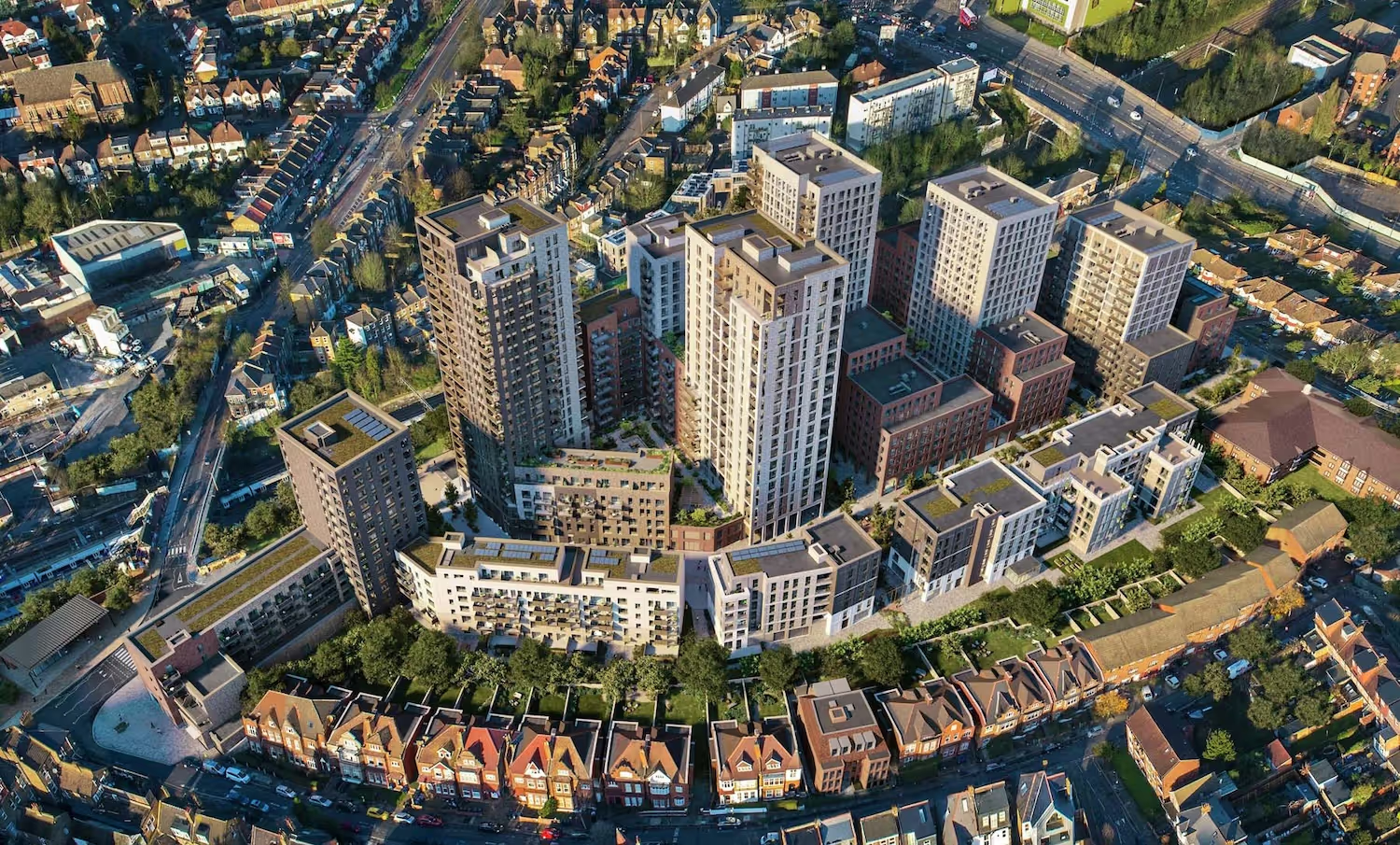
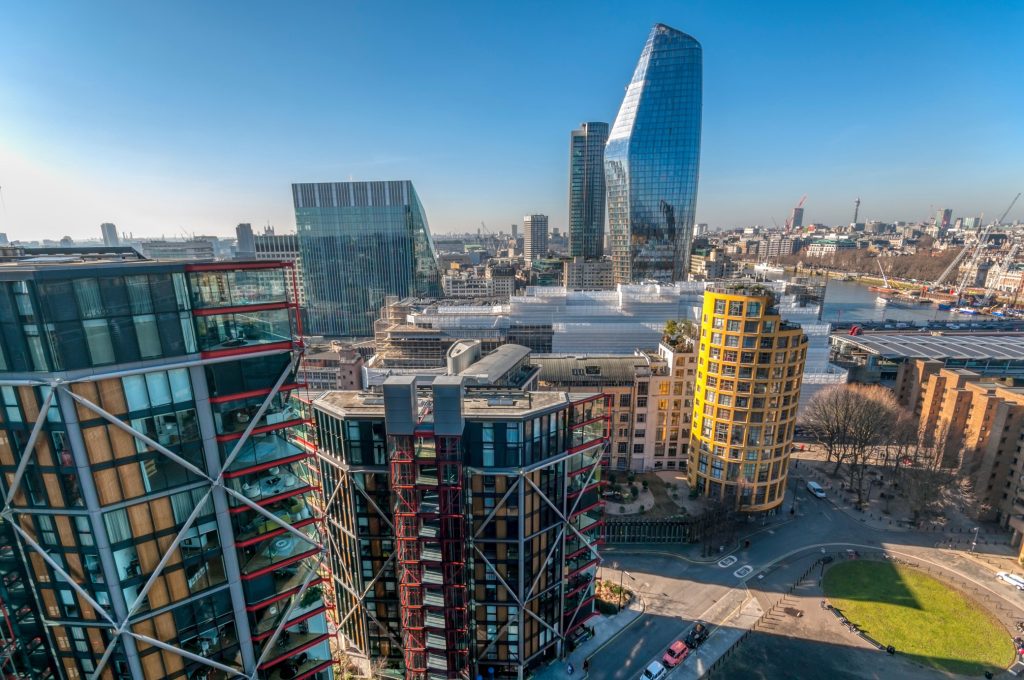
This new costs judgment follows a trial in which homeowners living next to the Bankside Yards development in London took on a major developer and won damages of £350,000 and £500,000 respectively.
The developer had originally offered them just £23,000 and £36,000 before court proceedings were issued.
The court has now confirmed that those homeowners were the successful parties and are entitled to recover the majority of their legal costs from the developer.
For anyone affected by a neighbouring development that has reduced the natural light to their home, this case sends a clear and encouraging message:
Fighting for your rights works.
Proving Infringement Means You Win
Even Without an Injunction
One of the most important aspects of this judgment is the court’s treatment of who “won” the case.
The developer argued that because the claimants had failed to obtain a mandatory injunction (an order requiring the building to be physically altered to restore light), the developer was actually the successful party. After all, the homeowners had said throughout the case that they wanted their light preserved rather than monetary damages.
The court firmly rejected this argument.
Mr Justice Fancourt applied a simple test:
Did the claimants win anything of value that they could not have obtained without bringing the case?
The answer was clearly yes.
The damages awarded were many times greater than the developer’s pre-action offers. The developer had denied liability entirely and only admitted the existence of the rights to light on the first day of trial. The homeowners had to fight to prove everything.
The practical message
You do not need to obtain an injunction to be treated as the winner of a right to light claim.
If you prove that a development has infringed your light and recover substantial damages, you are the successful party and the developer will generally be ordered to pay the majority of your legal costs.
The court looks at the real-world outcome, not which side obtained their preferred remedy.
Substantial Damages Are Available for Loss of Light
The underlying trial resulted in damages of:
- £350,000 for one claimant
- £500,000 for a married couple
These sums were assessed on a “negotiating damages” basis.
This essentially reflects what a reasonable property owner and a reasonable developer would have agreed for the right to build and block the light if they had negotiated beforehand.
This is often described as a hypothetical willing buyer and willing seller negotiation.
The figures awarded by the court dwarf the conventional “book value” assessments developers often offer affected neighbours before construction begins.
Successful Claimants Recover the Majority of Legal Costs
Many homeowners hesitate to pursue a claim because they are concerned about litigation costs.
This judgment provides significant reassurance.
The court awarded the Powell claimants two-thirds of their legal costs, recognising that they succeeded on the main issue of proving infringement but lost on the issue of injunctive relief.
Importantly, the court noted that the majority of trial time was spent on proving infringement, the issue on which the claimants won.
The court also confirmed an important principle regarding settlement offers.
Where a claimant’s damages exceed any settlement offer previously made by the developer, that offer carries little weight in reducing the claimant’s cost recovery.
In this case, the Powells beat the developer’s £500,000 Part 36 offer, which strengthened their position on costs.
What this means for property owners
With a properly structured and insured claims process, the financial risk of bringing a well-founded right to light claim can be significantly reduced.
And the prospect of recovering most legal costs from the developer is well supported by this judgment.
Beware of Bundled Settlement Offers
A major development in this judgment relates to Part 36 settlement offers.
The developer’s £500,000 offer to Mr Cooper was not simply an offer to settle his current damages claim.
It required him to also:
- Execute a deed releasing his remaining rights to light over adjacent land
- Agree that any future light would be enjoyed only by consent
- Waive his entitlement to future statutory compensation under section 204 of the Housing and Planning Act 2016
The court held that this was still a valid Part 36 offer.
This means developers can include additional legal concessions in settlement offers beyond the immediate dispute.
However, the court also recognised an important protection for claimants.
The burden of proof lies on the developer to show that the claimant failed to beat the offer.
Where multiple rights are bundled into an offer, proving that becomes far more difficult.
In this case, the court could not determine the value of Mr Cooper’s retained rights and future compensation claim, meaning the developer failed to rely on the Part 36 consequences.
Key lesson
If a developer asks you to sign away rights beyond the current dispute, those rights may have significant financial value.
Always obtain professional advice before responding to such offers.
Your Future Statutory Compensation Rights Have Real Value
Another critical point addressed by the court concerns future statutory compensation under section 204 of the Housing and Planning Act 2016.
Where developments occur in phases, additional buildings constructed later may further interfere with your light.
That may create a separate right to compensation in the future.
Mr Justice Fancourt treated this future right as a potentially significant asset.
He refused to assume it was worth less than six figures and rejected attempts by the developer to minimise its value.
Why this matters
If you live near a multi-phase development, your right to light may have value not only in relation to what has already been built but also to what may be built in the future.
Giving up those rights as part of a settlement could mean leaving substantial compensation on the table.
Engage Constructively With Settlement Offers
One cautionary point from the judgment concerns negotiation conduct.
Mr Cooper rejected the developer’s £500,000 offer and counter-offered £7 million.
The court described this as unjustified and effectively a ransom value.
This unreasonable position contributed to his cost recovery being reduced to one-third.
This does not mean claimants should accept low offers.
The Powells rejected the same headline offer and were vindicated.
However, claimants should engage constructively, take professional advice, and make counter-offers that reflect realistic litigation outcomes.
Courts reward reasonable conduct and penalise unrealistic negotiating positions.
Key Takeaways for Property Owners (2026)
If you believe a nearby development has affected the natural light to your property, the key lessons from Cooper v Ludgate House are:
- You are considered the successful party if you prove infringement and recover substantial damages, even if an injunction is not granted.
- Damages for loss of light can be many times higher than the figures developers initially offer.
- Successful claimants typically recover the majority of their legal costs from the developer.
- Developers may include additional legal concessions in settlement offers. These should always be reviewed professionally.
- Your future statutory compensation rights may be valuable, particularly near phased developments.
- Engage constructively in negotiations. Unrealistic demands can reduce your cost recovery even if you win the case.
With Daylight Protect, You Never Put Your Hand in Your Pocket
The costs outcome in this case highlights exactly why the Daylight Protect model exists.
Even when claimants recover most of their legal costs, there is almost always a shortfall between what the court orders the developer to pay and the total cost of running the case.
In this case:
- The Powells recovered two-thirds of their legal costs
- Mr Cooper recovered one-third
In traditional litigation, that remaining shortfall would fall on the claimant.
With Daylight Protect, it does not.
Our fully insured claims process means that any difference between the costs awarded by the court and the actual cost of running the claim is absorbed entirely by us.
You never pay out of pocket.
The damages awarded are yours in full.
Too many property owners are discouraged from pursuing legitimate claims because of concerns about legal costs and financial risk.
Daylight Protect removes that barrier entirely.
Think Your Light Has Been Affected?
Daylight Protect Limited runs a fully insured, end-to-end right to light claims process.
We assess your claim, manage the entire process, and operate on a model that removes the financial risk of pursuing your rights.
If a development near your home has reduced your natural light, contact us for a free initial assessment.
Website: www.daylightprotect.com
Email: info@daylightprotect.com
Legal Disclaimer
This article is for general information purposes only and does not constitute legal advice.
The case discussed is Cooper & Ors v Ludgate House Ltd [2026] EWHC 484 (Ch), a costs judgment handed down on 5 March 2026 following the substantive trial judgment at [2026] EWHC 1724 (Ch).
Anyone affected by a right to light issue should seek independent professional advice on their specific circumstances.
Similar insights