Right of Light Claims in Nottingham and Derby
Has a Nearby Development Reduced the Natural Light Coming Into Your Property?
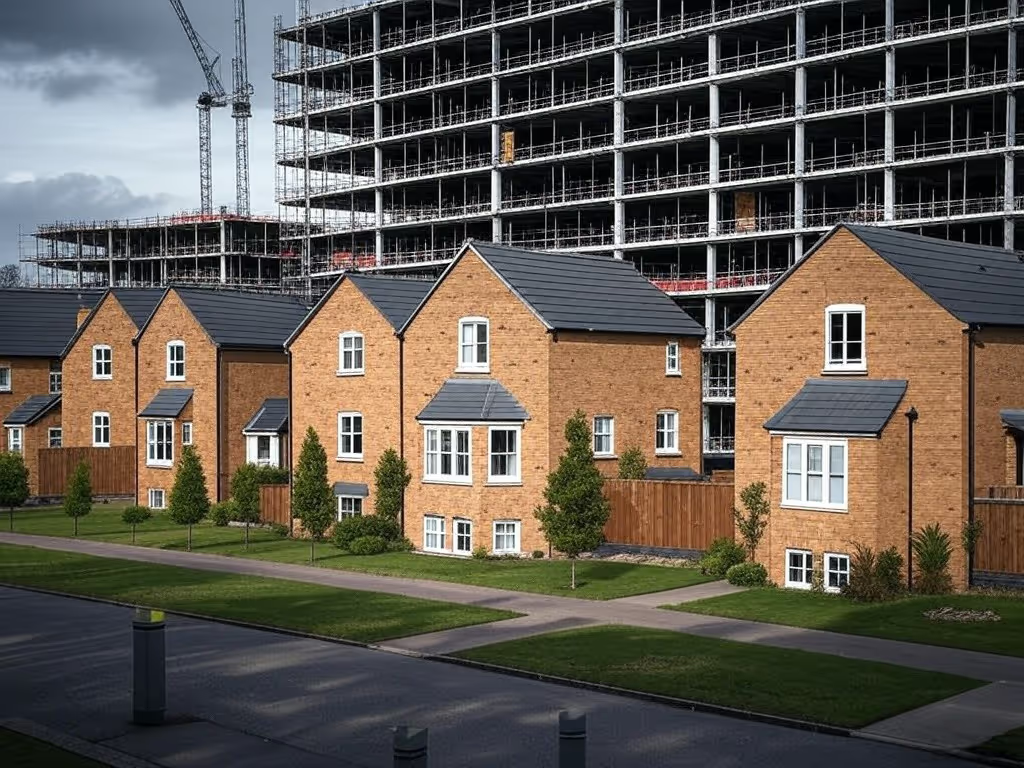
If you live in Nottingham, Derby or the surrounding East Midlands and a neighbouring building is blocking the natural light entering your home, you may have grounds for a right of light claim.
Daylight Protect helps homeowners understand their rights when nearby construction affects the daylight reaching their property. We work with specialist surveyors and property litigation solicitors to assess the impact, investigate whether you may have a claim and explore ways to resolve the dispute with the developer.
We offer a no-win, no-fee service for eligible claims, subject to the agreed terms. This means you do not pay the covered assessment, surveying and legal costs upfront. Fees are payable if your claim succeeds, in line with your agreement.
Whether a development is still being planned, construction is underway or the building is already complete, understanding your legal position can help you decide what to do next.
Compensation and settlement figures can range in thousands or even hundreds of thousands of pounds - so getting professional advice is key.
For any questions, you can call us on 0800 955 4448 or email us at info@daylightprotect.com
What Is a Right of Light and Why is it Important?
A right of light is a legal right that can protect natural daylight entering a property through certain windows.
In many cases, a right to light can be acquired after natural light has passed through a window uninterrupted for 20 years. Rights can also arise through deeds, express grants and other legal arrangements, so the 20-year rule does not apply to every property.
Problems can occur when a neighbouring property owner or developer builds something that interferes with an established right to light.
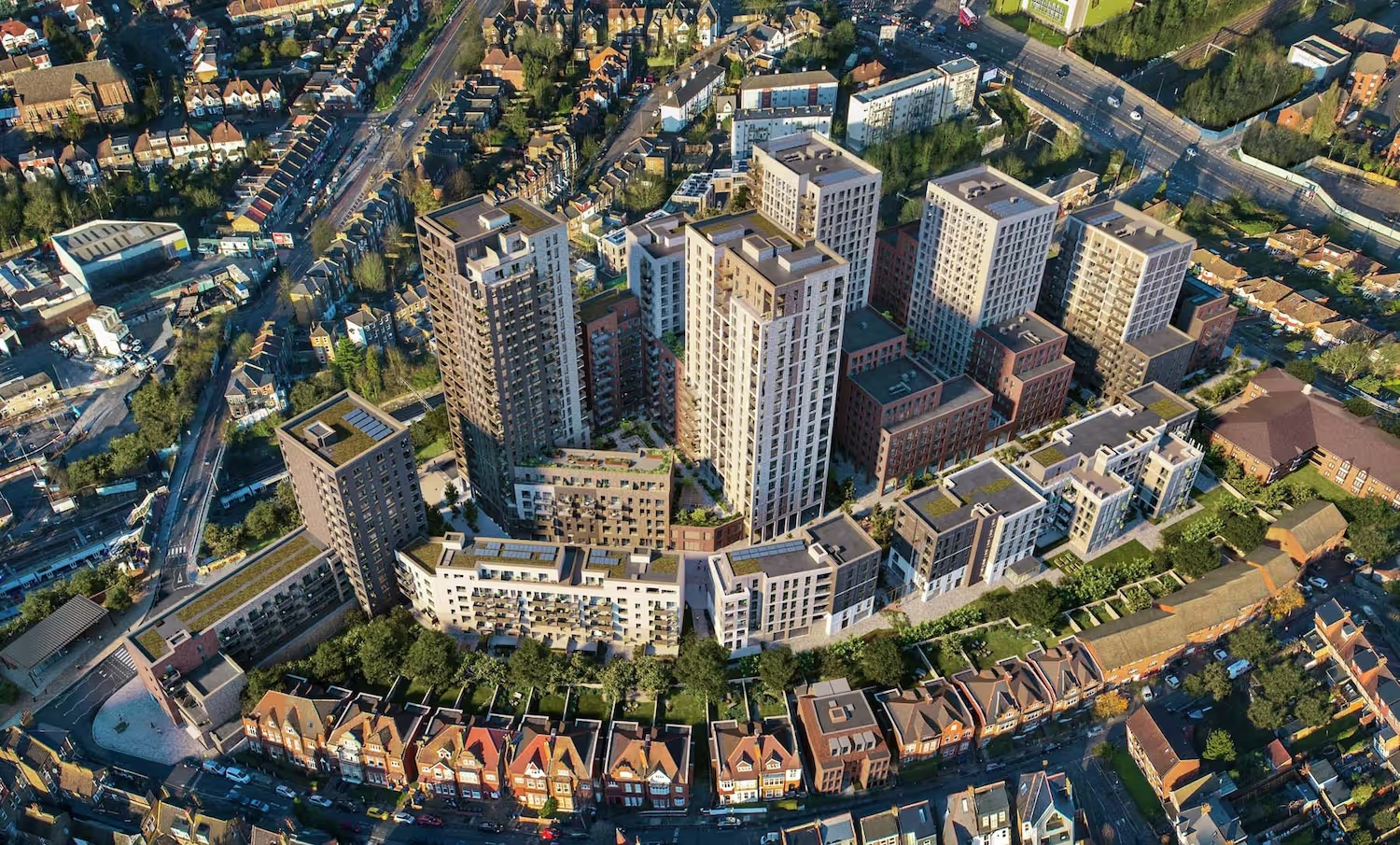
This can be particularly relevant in Nottingham and Derby, where residential developments, new apartment blocks, commercial buildings and regeneration projects are changing established neighbourhoods.
Planning permission does not automatically remove an existing right to light. If a development interferes with a protected right, the developer may need to consider changing the design, negotiating a settlement or responding to legal action.
Depending on the circumstances, possible outcomes can include:
- Alterations to the development to reduce the loss of light.
- Financial compensation agreed between the parties.
- Court proceedings seeking an appropriate remedy, which may include an injunction or damages.
Where Can You Make a Right of Light Claim in Nottingham and Derby?
Daylight Protect can help property owners investigate potential right of light claims across Nottingham, Derby and the surrounding areas of Nottinghamshire and Derbyshire.
Areas we cover include:
Nottinghamshire: Nottingham, Mansfield, Newark-on-Trent, Worksop, Retford, Beeston, West Bridgford, Arnold, Carlton, Hucknall, Stapleford and Sutton-in-Ashfield.
Derbyshire: Derby, Chesterfield, Ilkeston, Long Eaton, Alfreton, Belper, Matlock, Ripley, Swadlincote, Ashbourne, Heanor and Buxton.
We can investigate potential claims involving:
- New housing estates and apartment buildings.
- High-rise residential developments.
- Commercial properties and office buildings.
- City-centre regeneration projects.
- Large extensions and neighbouring building work.
- Council-led and mixed-use developments.
- Construction affecting established homes and businesses.
If you live in Nottingham, Derby or a nearby town and a development is reducing the natural light entering your property, it may be worth investigating whether you have a claim.
Am I Eligible For a Right of Light Claim in Nottingham or Derby?
You may have a potential right of light claim if a neighbouring development has caused, or is likely to cause, a legally significant reduction in the natural light entering your property and you have an established legal right.
However, living beside a large building or noticing that a room has become darker does not automatically mean you have a valid claim. The legal position depends on how your right arose, the extent of the loss and the circumstances of the development.
Your situation may be worth investigating if:
- Your windows have received natural light for 20 years or more, or another legal basis for a right may apply.
- A new building, extension or redevelopment is reducing the daylight entering your rooms.
- Construction work is due to start or is already taking place nearby.
- You have received correspondence from a developer about a proposed project.
- A developer has approached you to discuss your rights or offered compensation.
- Your living room, kitchen, bedroom or another regularly used room has become noticeably darker.
- You are concerned that a completed development has affected the normal use and enjoyment of your home.
A specialist surveyor can assess the loss of light, while appropriate legal advice can help establish whether the interference may support a claim.
What Happens If a Development in Nottingham or Derby Is Blocking Your Light?
If a nearby building or ongoing development is blocking the light entering your home, you may be able to challenge the impact or seek compensation. The first step is to establish whether the development interferes with a legally protected right to light.
Daylight Protect works with specialist surveyors who can assess how much natural light reaches the affected rooms and how the development has changed, or is expected to change, the available light.
The assessment may use the Waldram Method, an established approach to assessing rights of light.
The legal position must also be considered. This may involve reviewing property deeds, title documents, grants and other information that could help establish whether your property benefits from a protected right.
Once the technical evidence and legal position have been reviewed, the next steps may include:
- Assessing the loss of light: Establishing the extent of the impact and whether it may be legally significant.
- Approaching the developer: Raising the issue and explaining the concerns supported by the available evidence.
- Discussing a resolution: Exploring compensation, changes to the development or another suitable agreement.
- Considering legal action: Seeking specialist legal advice if negotiations fail or urgent action may be needed.
Many disputes can be resolved through negotiation. However, if construction is ongoing or a serious interference is expected, it is important to obtain advice promptly because delays can affect the remedies available.
How Is a Right of Light Claim Assessed?
A right of light claim is assessed by examining the technical impact of the development alongside the legal rights attached to the property.
A specialist surveyor can carry out calculations to establish how much natural light reaches the affected rooms and how the proposed or completed building changes it.
Daylight Protect's published guidance refers to the Waldram Method and the 50/50 rule. The latter is a traditional assessment convention under which at least 50% of a room should receive a sky factor of 0.2% or more.
These calculations help assess the impact of a development, but they do not determine the legal outcome on their own. The survey findings must be considered alongside the history of the light, the legal basis of the right and the circumstances of the interference.
For example, a large apartment development in Nottingham may have a limited effect on the legally protected light entering a particular room. A smaller extension in Derby could have a more serious impact on a neighbouring property.
A professional assessment provides evidence that can help establish your position and inform decisions about negotiation or legal action.
What Are the Types of Right of Light Resolution We Offer?
The best way to manage a right of light dispute depends on the stage of the development, the amount of light lost, the evidence available and the outcome you want to achieve.
Daylight Protect can help you understand the potential routes towards a right of light resolution, from negotiation and settlement discussions to formal legal action where appropriate.
1. Negotiation
Negotiation can offer a practical way to resolve a right of light dispute without going to court.
This may involve discussions with a neighbour, developer or their professional advisers about changing the proposed building, reducing its impact or agreeing financial compensation.
Starting discussions early can sometimes prevent unnecessary delays and costs. It can also give both parties an opportunity to find a solution that works for them.
2. Settlement
A settlement may be a suitable option when changing or stopping a development would be expensive or impractical, particularly if construction is well advanced or the building is already complete.
In these circumstances, the parties may consider agreeing financial compensation for an established infringement rather than continuing with a dispute.
The settlement amount will depend on the facts, the legal position and the evidence available. A professional assessment can help inform negotiations, but neither a settlement nor a particular payment amount is guaranteed.
3. Possible Litigation
Litigation means taking a dispute through the court process when the parties cannot reach an agreement.
Court proceedings can involve significant legal work, professional evidence, court fees and other costs. The time and expense involved may encourage the parties to consider settlement, although this is not guaranteed.
Whether litigation is appropriate depends on the strength of the claim, the available remedies, the likely costs and the risks involved.
4. Legal Action
If negotiations do not produce a suitable outcome, formal legal steps may be needed to protect your position.
Depending on the circumstances, these steps could include obtaining advice from a property litigation solicitor, sending a formal letter before proceedings or seeking an appropriate remedy to prevent or address an infringement.
Taking advice early is particularly important if construction is about to start or is already underway, as timing may affect your options.
5. Court Remedies
If a right of light claim succeeds, the court may consider the remedies available under the circumstances. These can include an injunction, damages or other relief where legally appropriate.
A right of light injunction may seek to prevent or restrict building work that interferes with a protected right. Damages may provide financial compensation for an established infringement.
An injunction is not automatic, and the court will consider the circumstances of the case when deciding which remedy, if any, is appropriate.
The aim is to understand the available options and identify a proportionate way forward based on the evidence and your circumstances.
Can I Claim If the Development Has Already Been Built?
Yes, you may still have a right of light claim after a development has been completed, provided the relevant legal requirements are met.
The fact that construction has finished does not automatically mean you have lost the right to take action. However, timing can be important, and delays may affect the remedies available.
Depending on the circumstances, you may be able to negotiate compensation or seek another appropriate legal remedy.
If the development is still under construction, there may be additional options to consider, particularly if urgent action is needed to protect your position before the work progresses further.
If you have noticed a loss of light in Nottingham, Derby, Mansfield, Chesterfield or elsewhere in the East Midlands, do not assume it is too late to investigate simply because the building is finished.
A specialist assessment and appropriate legal advice can help establish your options.
To arrange an assessment, you can call us on 0800 955 4448 or email us at info@daylightprotect.com
Why Choose Daylight Protect To Manage Your Dispute?
Specialist Surveyors and Legal Support
Right of light claims can involve both technical surveying work and complex property law.
Daylight Protect brings these areas together by working with specialist surveyors, solicitors and barristers where required.
No-Win, No-Fee
Daylight Protect operates a no-win, no-fee model.
We cover the assessment, surveyor, legal and court costs, with a commission payable if compensation is successfully recovered. The exact commission should be explained before you proceed.
Full Litigation Support
If negotiations do not resolve the dispute, Daylight Protect can continue to support the claim through litigation where appropriate.
This means homeowners do not have to manage negotiations, surveying and potential legal action separately.
See Also:
Right of light claims Liverpool
Speak to Our Rights to Light Experts Today
Typically, you have 12 months from the date of first infringement so this may be during the development phase and not when the construction is complete. After this 12 month window, it may be deemed that you have surrendered your light. However, it is important to note that every situation is different and certain exceptions exist.
From our experience it is likely that your right of light claim will settle within 12 months. However, this can vary significantly on a case-by-case basis as some cases can be far more complex than others.
We encourage you to share any communication you have had with developers, neighbours and local councils so that we put everything in your best interests. Many developers will shy away from settlements and compensation and their insurance policies will often not allow them to engage with local neighbours. We are here to advise on the best practice and approach possible.
Yes, we charge a commission in the event that your claim is successfully paid out. We cover all the assessment, surveyor, legal and court fees and you are not required to pay anything upfront. The commission amount will be made very clear to you before your commence.
You may still have a claim, but timing matters. Your strongest position is within the first 12 months after your light is interfered with, because the court has the fullest range of remedies available, including potentially ordering changes to the building.
Submitting a claim early protects your position and active protest is key to showing that you never gave up your rights.
The 2025 High Court decision in Cooper v Ludgate House confirmed that homeowners can secure substantial compensation even after a development is built, with two homeowners awarded £850,000 between them. The earlier you act, the stronger your position.
Most rights to light are acquired under the Prescription Act 1832, which requires that a window has enjoyed uninterrupted daylight for at least 20 years. If your home has been there that long, you very likely have a right. The only way to know for certain is a proper assessment, which we provide at no cost.
Most Right to Light disputes are resolved through negotiation without the need for a court hearing. However, if a satisfactory agreement cannot be reached, legal proceedings may be necessary to protect your rights. Our litigation team will act on your behalf in this instance.
We handle Right of Light claims under common law of England and Wales including:
Birmingham, Bradford, Brighton and Hove, Bournemouth, Bristol, Cambridge, Cardiff, Coventry, Derby, Exeter, Ipswich, Kingston upon Hull, Leeds, Leicester, Liverpool, London, Manchester, Newcastle upon Tyne, Newport, Norfolk, Nottingham, Oxford, Plymouth, Sheffield, Southampton, Stoke-on-Trent, Wolverhampton, Wrexham