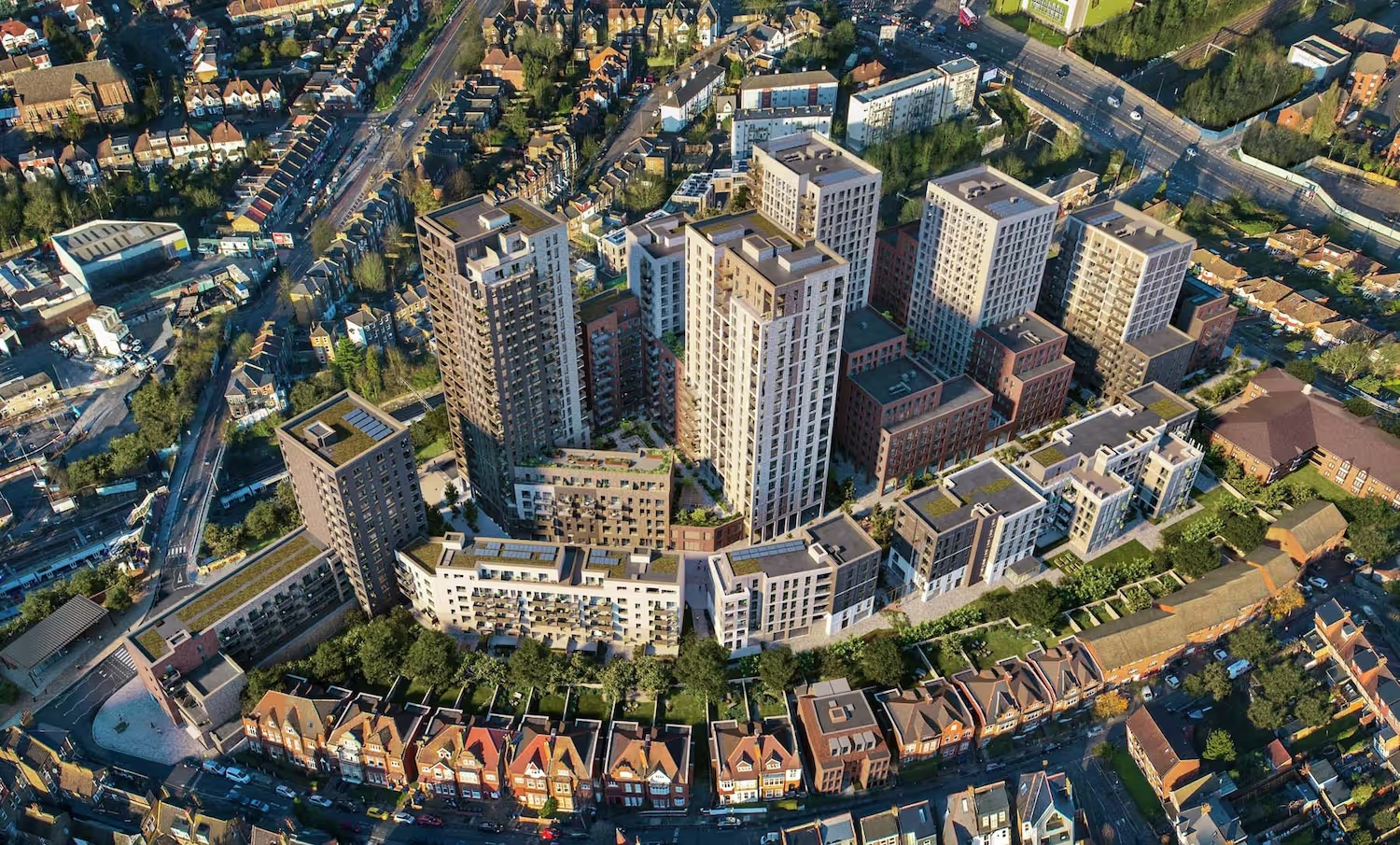
Right of Light Claims in Leicester
Has a Development Reduced the Natural Light Coming Into Your Property?
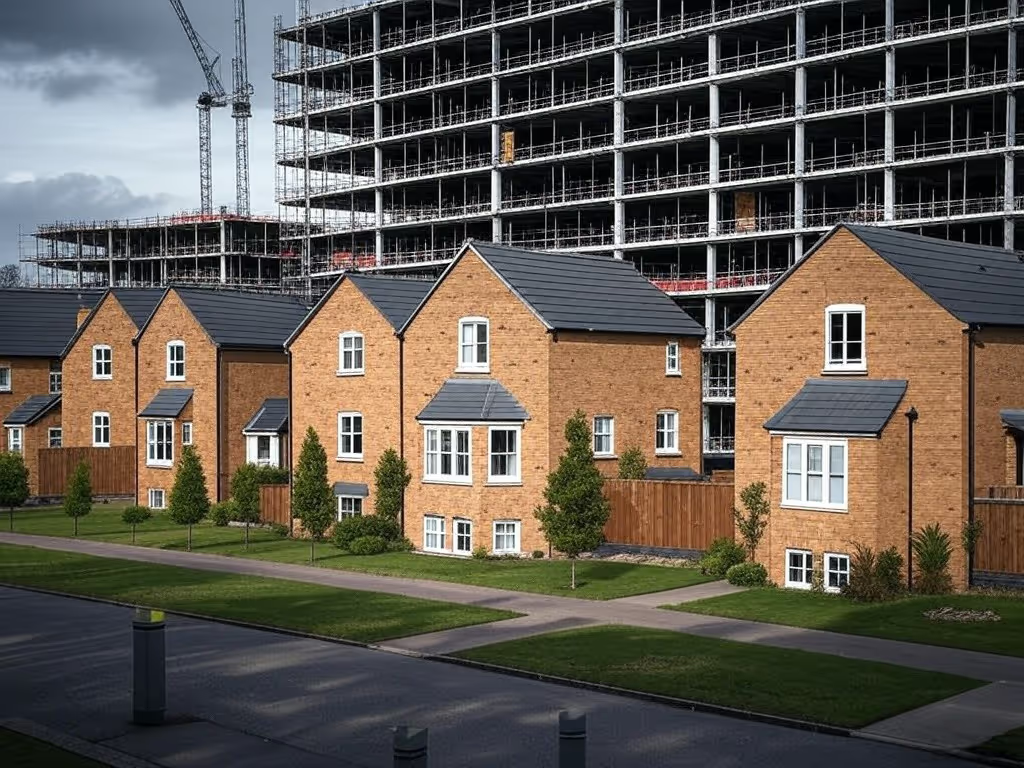
If you live in or around Leicester and a neighbouring building is blocking the natural light entering your home, you may have grounds for a right of light claim.
Daylight Protect helps homeowners understand their rights when nearby construction affects the daylight reaching their property.
We work with specialist surveyors and property litigation solicitors to assess the impact, investigate whether you may have a claim and explore ways to resolve the dispute with the developer or neighbour.
We offer a no-win, no-fee service for eligible claims, so we are dedicated to getting you some kind of result or settlement figure - and we only receive a commission if your claim is successful.
Speak to us to arrange an assessment and to discuss the next steps, regardless of whether the project is already underway or completed.
For any questions, you can call us on 0800 955 4448 or email us at info@daylightprotect.com
Possible resolutions can include:
- Altering a development to limit the reduction in natural light.
- Agreeing financial compensation where a suitable settlement can be reached.
- Taking court proceedings to seek an appropriate legal remedy, which may include an injunction or damages.
What Is a Legal Right of Light and Why Does It Matter?
A right of light is a legal right that can protect natural light entering a building through certain windows.
In many cases, a right to light can be acquired after light has passed through a window uninterrupted for 20 years. However, rights can also arise through deeds, express grants and other legal arrangements, so the 20-year rule does not apply to every property.
If a neighbouring building or development interferes with an established right, the property owner may be able to take action.
This is particularly relevant in Leicester, where new housing, apartment blocks, office buildings and regeneration projects are changing established neighbourhoods. Similar issues can arise in towns throughout Leicestershire as residential and commercial areas continue to develop.
Having planning permission does not automatically remove an existing right to light. Depending on the circumstances, a developer may need to consider changes to the building, negotiate a settlement or respond to legal action.
Right of Light Issues Are Common in Leicester
Leicester has a mix of historic properties, established residential streets, modern apartment developments and commercial buildings. When construction takes place close to existing homes or business premises, the effect on natural light may need careful consideration.
Developments involving new homes, taller buildings, extensions or changes to commercial premises can potentially affect neighbouring properties. Whether this creates a legal issue depends on the rights attached to the property and the actual impact of the proposed or completed works.
Daylight Protect can help parties understand their options when a potential right of light issue arises. Addressing concerns at an early stage may give the parties more scope to consider changes or negotiate a practical outcome before costs and disruption increase.
Areas We Cover Across Leicestershire
Daylight Protect can assist with right of light matters in Leicester and surrounding parts of Leicestershire, including:
- Leicester city centre
- Clarendon Park
- Stoneygate
- Oadby
- Wigston
- Glenfield
- Birstall
- Syston
- Loughborough
- Hinckley
- Market Harborough
- Coalville
Right of light issues can arise in both urban and suburban locations. Each property and development needs to be considered on its own facts, including the nature of the affected windows, the surrounding buildings and any existing legal rights.
What Causes Right of Light Disputes?
A right of light dispute may arise when building work reduces the amount of natural light reaching windows that benefit from an established right. This can happen when a new structure is built close to a neighbouring property or when an existing building is extended or redeveloped.
Common examples include:
- A new residential block overlooking or standing close to existing homes.
- An extension that reduces light entering a neighbour's windows.
- A commercial development next to established residential properties.
- Redevelopment of a site where nearby buildings have enjoyed natural light for many years.
- Construction work that continues despite concerns raised by neighbouring owners.
A reduction in daylight does not automatically mean a right of light has been infringed. The legal position depends on whether a relevant right exists and whether the interference is sufficient to give rise to a claim.
How Is a Right of Light Claim Assessed?
A right of light assessment considers the effect a proposed or completed development may have on light entering relevant windows. It can help establish whether a potential infringement exists and inform discussions about possible solutions.
The assessment may involve reviewing property information, examining the proposed building design and carrying out technical daylight calculations. The circumstances of the affected rooms and windows are also important.
One established approach used in right of light analysis is the Waldram method. This can help assess the amount of light reaching a room and whether the change may be significant in legal terms. The appropriate assessment depends on the property and the details of the case.
Technical results should be considered alongside the legal position. A calculation alone does not determine whether a claim will succeed or what remedy a court might grant.
What Are the Types of Right of Light Resolution We Offer?
There are several possible ways to address a right of light dispute. The most suitable route will depend on the evidence, the stage of construction, the parties involved and the outcome being sought.
1. Negotiation
Negotiation can offer a practical route towards resolving a right of light dispute without the need for court proceedings.
This may include discussions with a neighbour, developer or their professional advisers about modifying a building design, introducing protective measures or agreeing financial compensation where appropriate.
Opening discussions early can give everyone more time to consider their options. In some cases, this may help limit additional costs and avoid delays to a development.
2. Settlement
Altering or stopping construction can be expensive for a neighbour or developer, particularly where a project is already well advanced or has been completed.
A financial settlement may therefore be considered as an alternative to making changes to the building or becoming involved in a prolonged dispute. A settlement figure can be discussed to address the alleged loss or damage and its potential effect on the property's value.
Any proposed amount should be considered in light of the evidence and circumstances. Compensation is not automatic, and an agreement depends on the parties reaching acceptable terms.
3. Possible Litigation
Where the parties cannot reach an agreement, litigation may be considered. This involves asking a court to determine the dispute and decide what remedy, if any, is appropriate.
Court proceedings can involve substantial legal work, expert evidence, time and expense. For this reason, the prospect of litigation may encourage the parties to revisit negotiations and explore a settlement.
Whether litigation is proportionate will depend on the strength of the claim, the potential impact on the property and the likely costs and benefits of pursuing the matter.
4. Legal Action
If negotiations do not produce a satisfactory outcome, formal legal steps may be needed to protect a property owner's position.
Depending on the circumstances, this could involve obtaining specialist legal advice, sending a formal letter before proceedings or seeking an appropriate remedy to prevent or address an infringement.
Taking advice promptly can be particularly important where construction is about to begin or is already underway. Early action may help clarify the available options before the situation becomes more difficult to resolve.
5. Court Remedies
If a right of light claim succeeds, the court may consider a remedy suited to the particular circumstances. Potential outcomes can include an injunction, damages or other relief where legally available.
A right of light injunction may seek to stop or restrict building work. Damages may provide financial compensation for an established infringement.
Neither remedy is guaranteed. The court will consider the facts, the legal position and the relevant circumstances before deciding what, if any, relief should be granted.
Can You Make a Right of Light Claim After a Development Has Been Completed?
Yes, a right of light concern can arise before construction, while work is underway or after a building has been completed. The fact that a development is finished does not, by itself, establish whether a claim is possible or rule one out.
Maybe the developer has sent you a letter to try smooth things over. We can look at this from a legal standpoint and advise in the best way possible.
The options available will depend on the rights involved, the extent of the interference, the timing of the matter and the relevant legal principles. In some cases, the parties may explore a financial settlement. In others, further legal advice may be needed to establish the appropriate next step.
If you believe a completed development has affected an established right to light, it is sensible to obtain advice promptly rather than assume that no options remain.
How Daylight Protect Can Help
Daylight Protect supports property owners and developers dealing with right of light concerns in Leicester and the wider Leicestershire area.
The approach will depend on the circumstances of each case, but may include helping to clarify the nature of the issue, considering the potential impact on affected properties and exploring routes towards resolution.
Where a development is still at the design stage, identifying potential issues early may allow changes to be considered before construction progresses. If work is underway or complete, the focus may instead be on understanding the potential claim and assessing the available options.
Possible routes include negotiation, settlement discussions and consideration of legal remedies where appropriate. The aim is to help the parties understand their position and make informed decisions based on the facts.
For any questions, you can call us on 0800 955 4448 or email us at info@daylightprotect.com
Why Choose Daylight Protect To Manage Your Dispute?
Specialist Surveyors and Legal Support
Right of light claims can involve both technical surveying work and complex property law.
Daylight Protect brings these areas together by working with specialist surveyors, solicitors and barristers where required.
No-Win, No-Fee
Daylight Protect operates a no-win, no-fee model.
We cover the assessment, surveyor, legal and court costs, with a commission payable if compensation is successfully recovered. The exact commission should be explained before you proceed.
Full Litigation Support
If negotiations do not resolve the dispute, Daylight Protect can continue to support the claim through litigation where appropriate.
This means homeowners do not have to manage negotiations, surveying and potential legal action separately.
See Also:
Right of light claims in Birmingham
Right of light claims in Nottingham
Speak to Our Rights to Light Experts Today
Typically, you have 12 months from the date of first infringement so this may be during the development phase and not when the construction is complete. After this 12 month window, it may be deemed that you have surrendered your light. However, it is important to note that every situation is different and certain exceptions exist.
From our experience it is likely that your right of light claim will settle within 12 months. However, this can vary significantly on a case-by-case basis as some cases can be far more complex than others.
We encourage you to share any communication you have had with developers, neighbours and local councils so that we put everything in your best interests. Many developers will shy away from settlements and compensation and their insurance policies will often not allow them to engage with local neighbours. We are here to advise on the best practice and approach possible.
Yes, we charge a commission in the event that your claim is successfully paid out. We cover all the assessment, surveyor, legal and court fees and you are not required to pay anything upfront. The commission amount will be made very clear to you before your commence.
You may still have a claim, but timing matters. Your strongest position is within the first 12 months after your light is interfered with, because the court has the fullest range of remedies available, including potentially ordering changes to the building.
Submitting a claim early protects your position and active protest is key to showing that you never gave up your rights.
The 2025 High Court decision in Cooper v Ludgate House confirmed that homeowners can secure substantial compensation even after a development is built, with two homeowners awarded £850,000 between them. The earlier you act, the stronger your position.
Most rights to light are acquired under the Prescription Act 1832, which requires that a window has enjoyed uninterrupted daylight for at least 20 years. If your home has been there that long, you very likely have a right. The only way to know for certain is a proper assessment, which we provide at no cost.
Most Right to Light disputes are resolved through negotiation without the need for a court hearing. However, if a satisfactory agreement cannot be reached, legal proceedings may be necessary to protect your rights. Our litigation team will act on your behalf in this instance.
We handle Right of Light claims under common law of England and Wales including:
Birmingham, Bradford, Brighton and Hove, Bournemouth, Bristol, Cambridge, Cardiff, Coventry, Derby, Exeter, Ipswich, Kingston upon Hull, Leeds, Leicester, Liverpool, London, Manchester, Newcastle upon Tyne, Newport, Norfolk, Nottingham, Oxford, Plymouth, Sheffield, Southampton, Stoke-on-Trent, Wolverhampton, Wrexham